How to Share Your Artwork Without Feeling Salesy: Three shifts that turn posting into opportunity
Sharing your art online does not have to feel like selling. Learn three simple shifts that turn your Instagram and Pinterest into a live portfolio brands want to find.
How to Share Your Artwork Without Feeling Salesy: Why your feed is your storefront & three shifts that turn posting into opportunity
When I first started this business, I did not want an Instagram account. At all.
The idea of posting my work publicly felt like standing on a stage I never asked for. And showing my face? Absolutely not. I told myself I would just paint quietly and somehow the opportunities would find me.
If that sounds familiar, this post is for you.
Here is what changed everything for me: I stopped thinking of Instagram as a social platform and started treating it as my business storefront and my live portfolio.
Art directors and brands are not waiting for your cold email. They are scrolling, searching and sourcing. Your feed is often the very first impression they get of you as a designer. When I made that mental shift, sharing stopped feeling like bragging and started feeling like opening the doors to my shop each morning.
Sharing is not selling. Sharing is showing your work to the people already looking for it.
So how do you share without feeling salesy? Three things made the difference for me.
1. Share the bridge, not just the painting
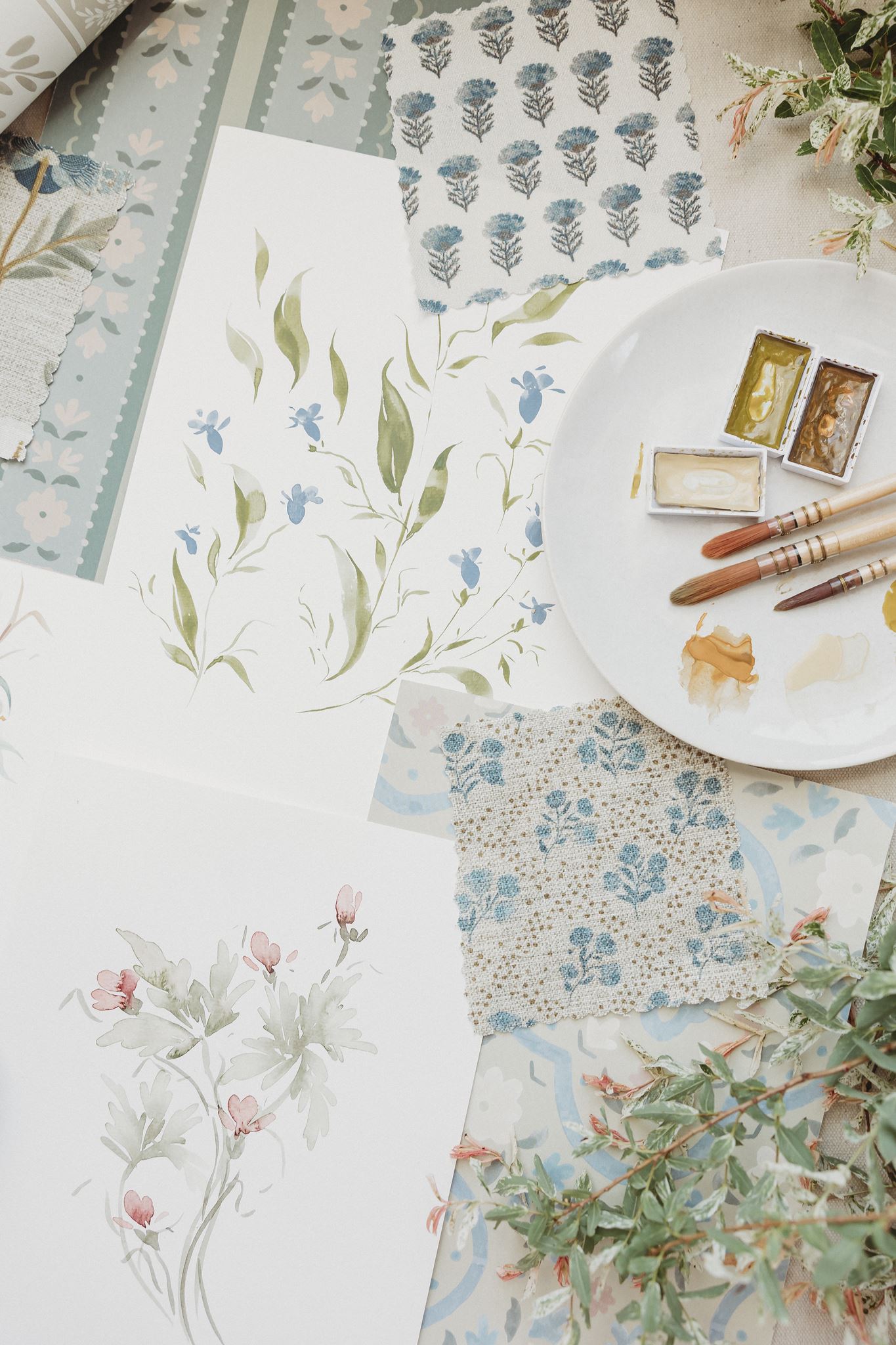
A beautiful painting is lovely. A painting shown as a finished product is a licensing opportunity.
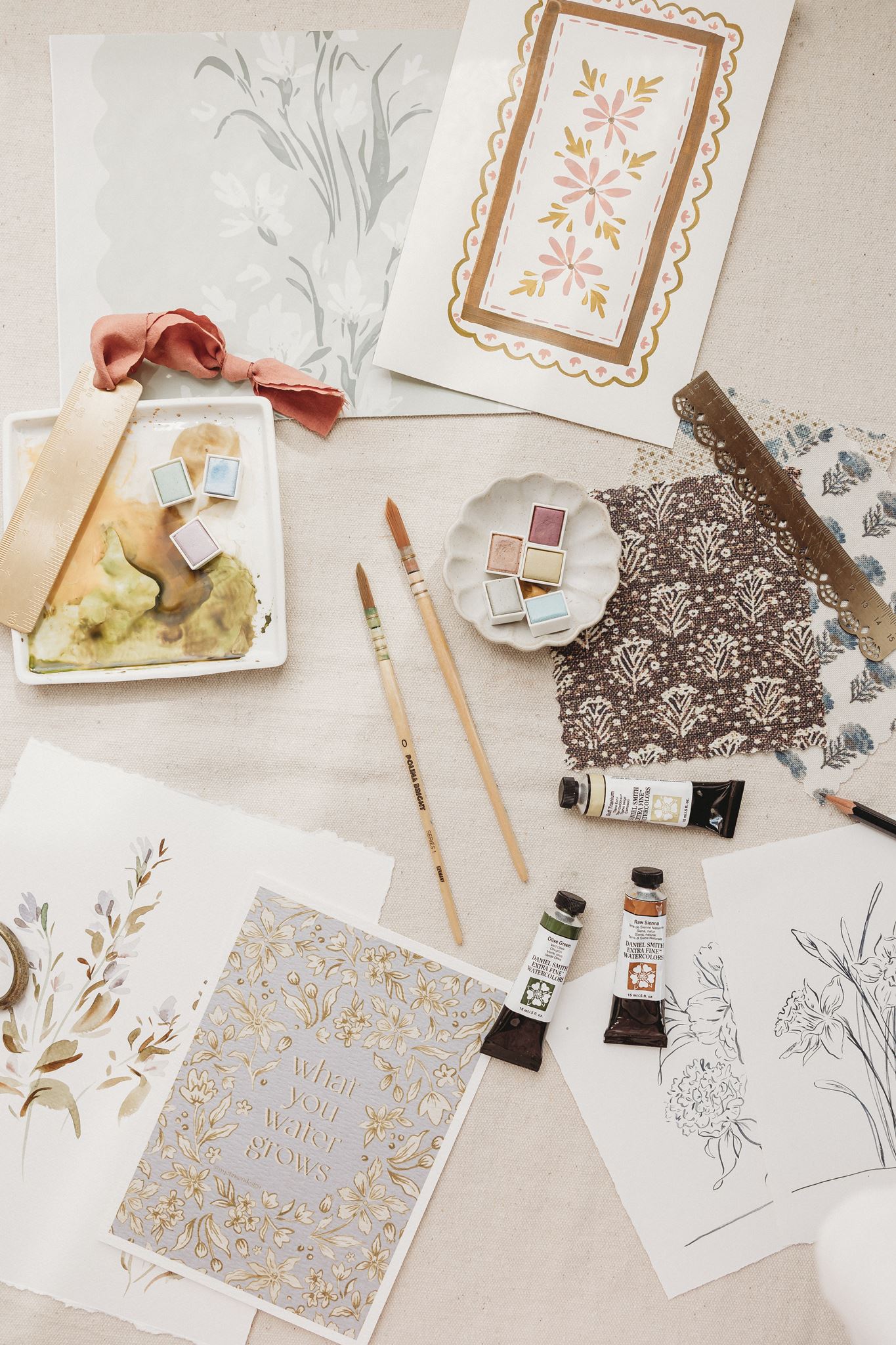
When you share your process from sketch to pattern to mockup, you are showing brands the full bridge from art creation to a final product that meets their needs. That is what buyers are actually looking for: proof that you understand their business, not just your own creativity.
2. Observe, Create, Share
This is the rhythm I teach inside The Creative Mentorship, and it applies perfectly to marketing your work.
Observe what the market is asking for. Create at the intersection of that demand and what you genuinely love to paint. That overlap is your sweet spot, and it is where authentic sharing lives, because you are excited about the work and the market is hungry for it. Then share with intention.
3. Give every post one clear goal and one clear audience
This is the piece most artists skip. Before you post or pin, ask: what is this for, and who is it for? Then rotate through your goals across the week. For example:
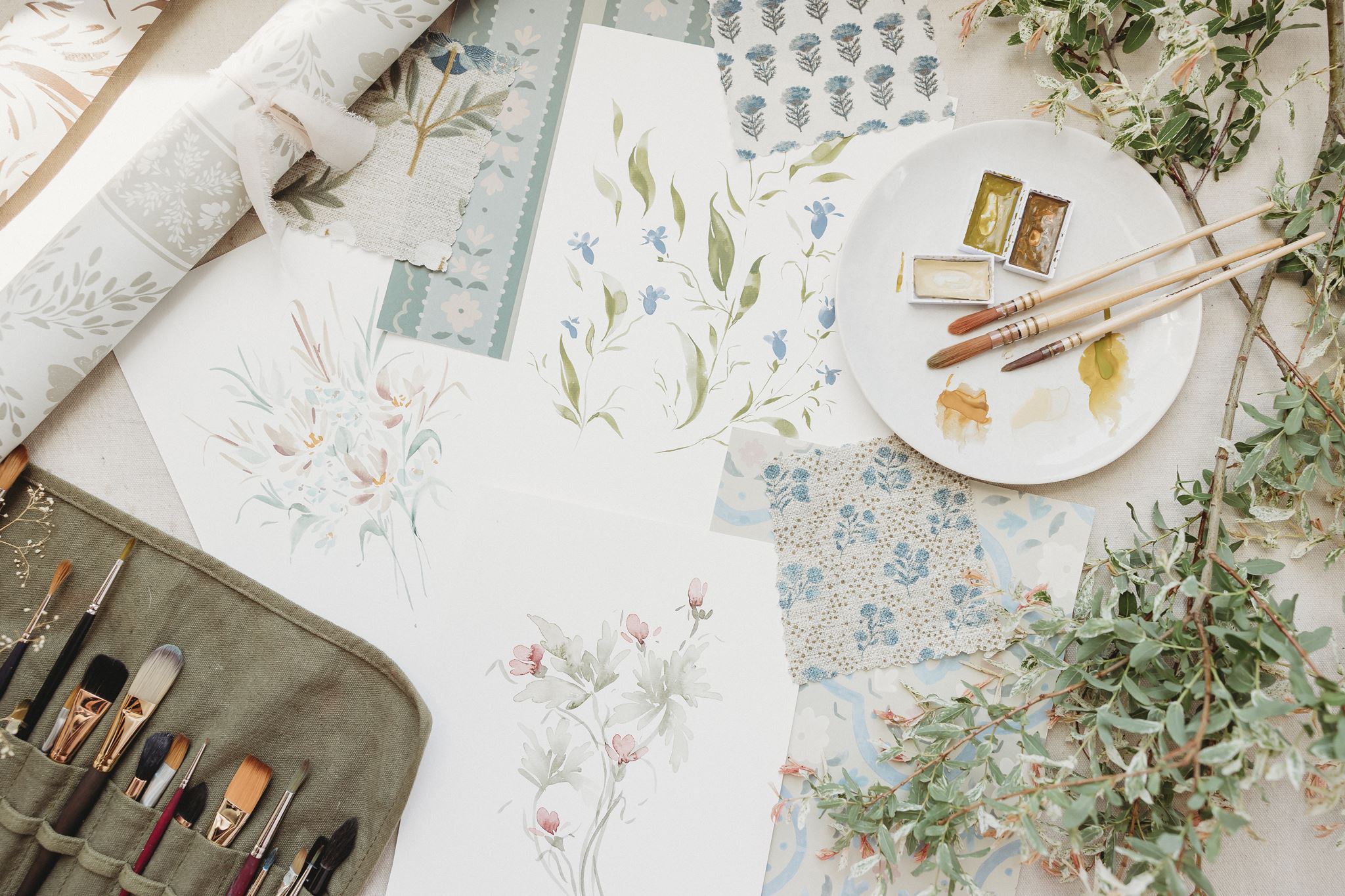
A favorite supplies post builds connection and quiet credibility with fellow artists and followers.
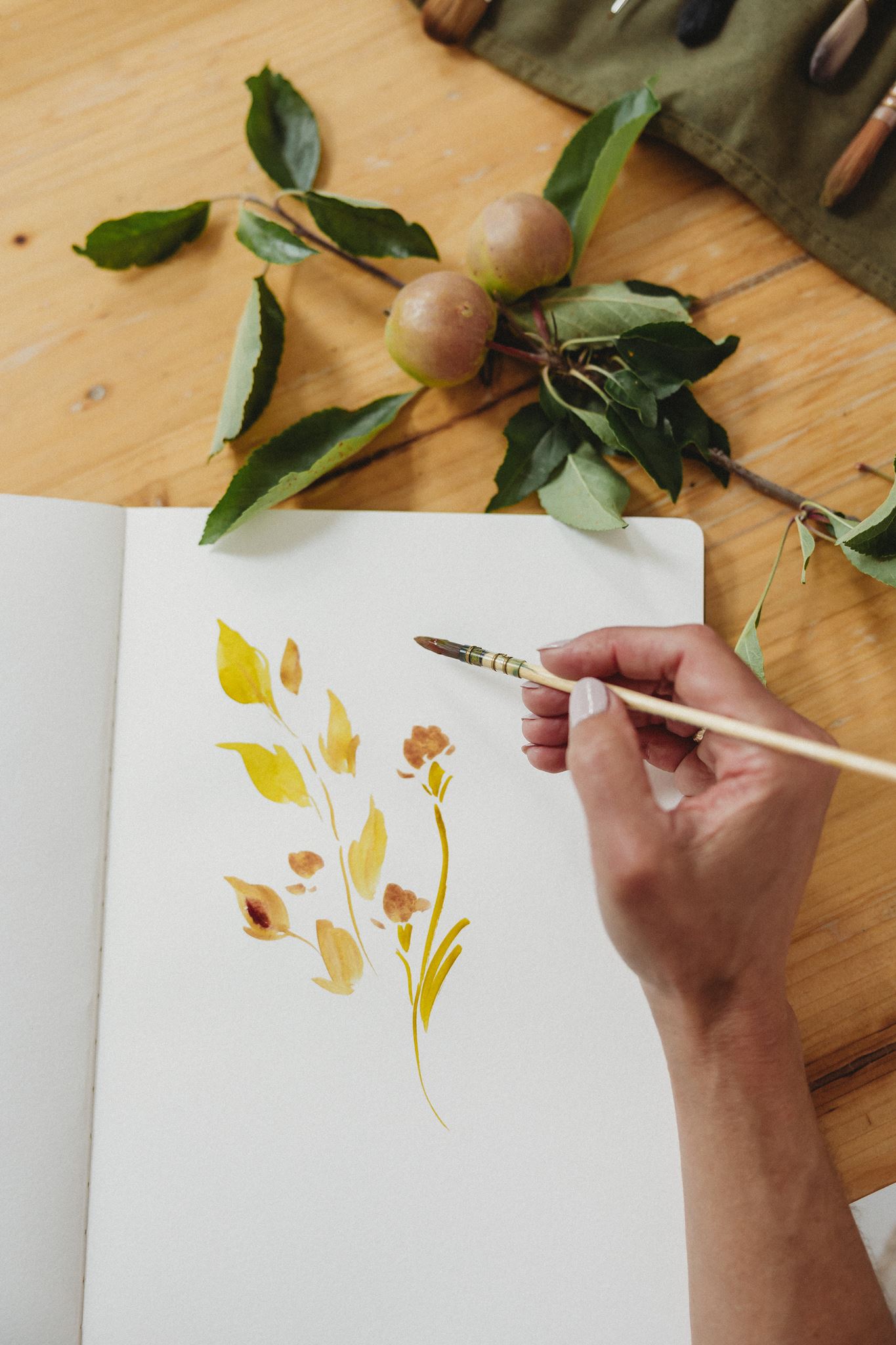
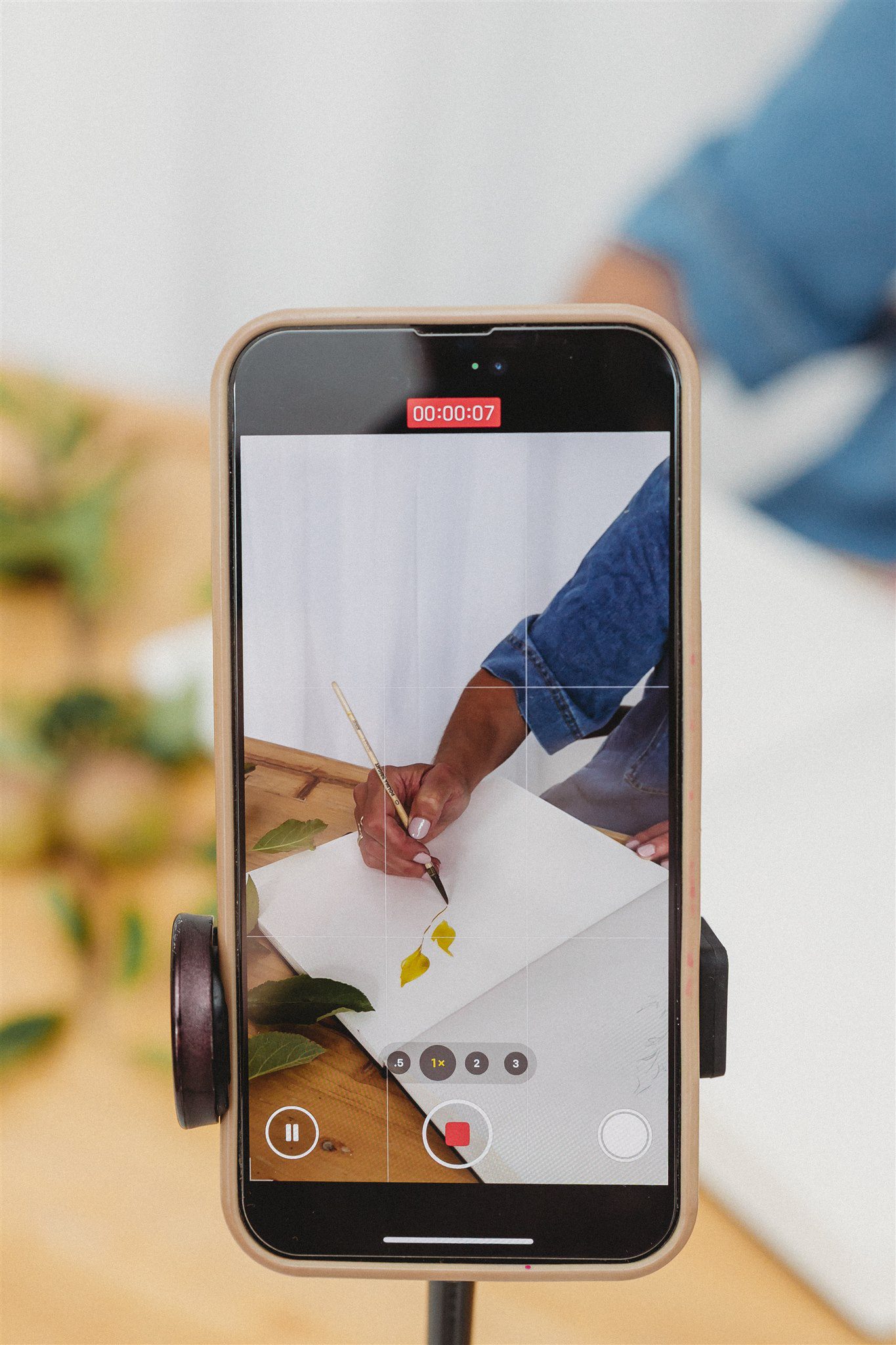
A process reel grows your audience, because process content travels furthest.
A mockup post attracts brand opportunities, because it shows buyers exactly what your art looks like on their products.
One post, one goal, one person in mind. That is how a feed becomes a portfolio instead of a scrapbook.
A quick word on being found
Instagram and Pinterest are search engines, just like Google. Use the words art directors actually type: surface pattern designer, art licensing, textile design, available for collaboration. Put them in your bio, your captions and your pin descriptions.
Pretty words feel nice. Searchable words get you hired.
Put it into practice this week
Choose one piece of artwork. Show it as a product, whether that is a simple mockup or a photo of it printed and styled. Write a caption with one clear goal and one keyword. Then hit share.
Your next post might be your next dream opportunity.
You don’t have to figure this out alone
Inside The Creative Mentorship, members get a new custom mockup every month (this month it is a moody restaurant scene, perfect for showing your work as wallpaper in a hospitality setting), plus lessons, live calls and real licensing opportunities with brands. If you are ready to turn your artwork into licensed products, come join us here.
More blog posts like this:
What story is your Grid, Website and Portfolio Telling?
share on