How to Think Like a Licensing Artist: 5 Shifts for Surface Pattern Designers
Art licensing isn’t luck, it’s a way of thinking. Learn five shifts surface pattern designers can make today to attract brands and license their artwork.
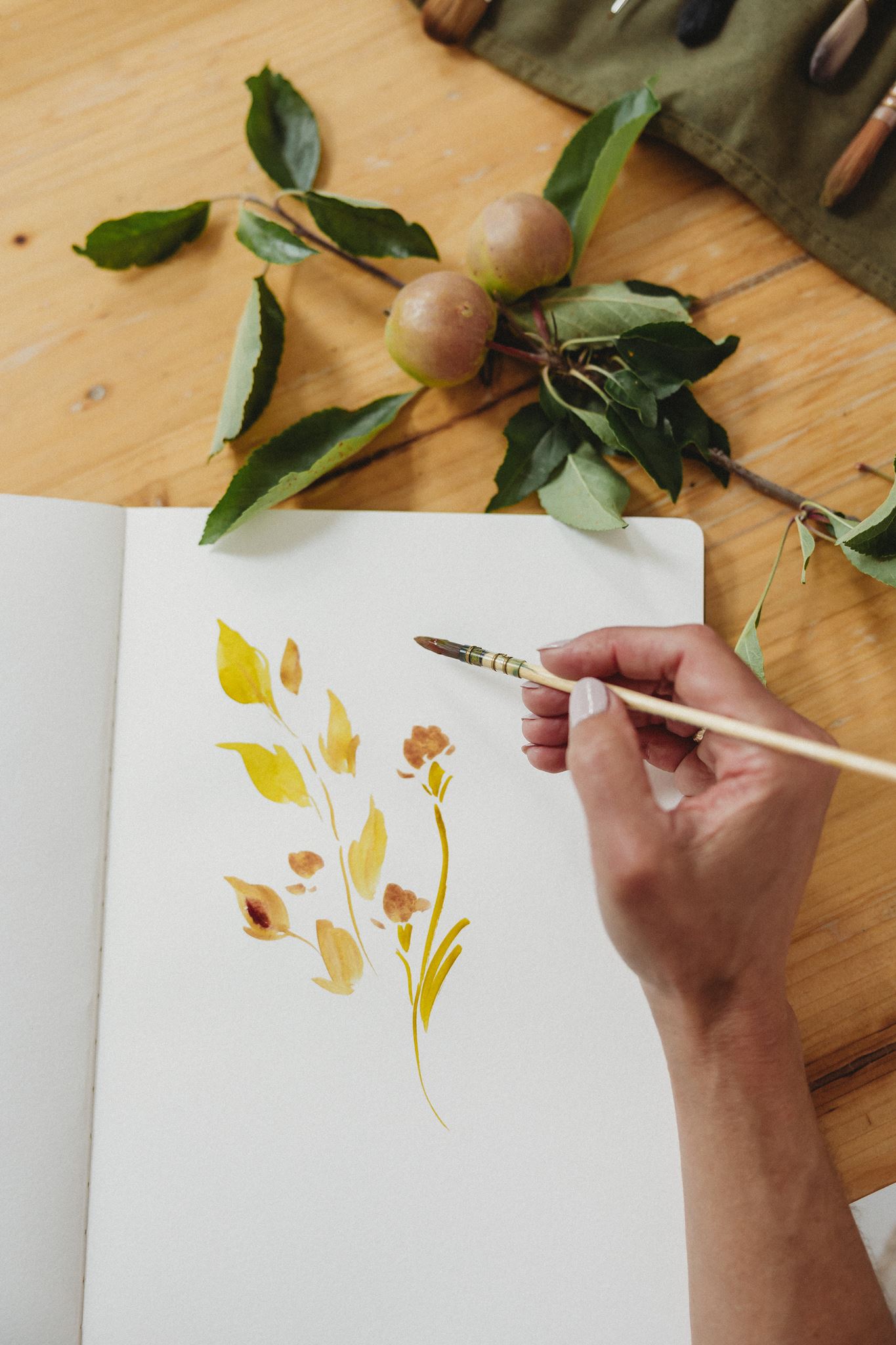
How to Think Like a Licensing Artist
When I first started painting at my kitchen table, I thought art licensing was something that happened to other artists. The ones with big followings. The ones who seemed to know something I didn’t. I was self taught, and I wondered if there was even room for me.
Here’s what I’ve learned since. Licensing isn’t luck and it isn’t a secret. It’s a way of thinking. You can start thinking that way today too, right where you are.
Here are five shifts that changed everything for me.
Design for the product, not just the art
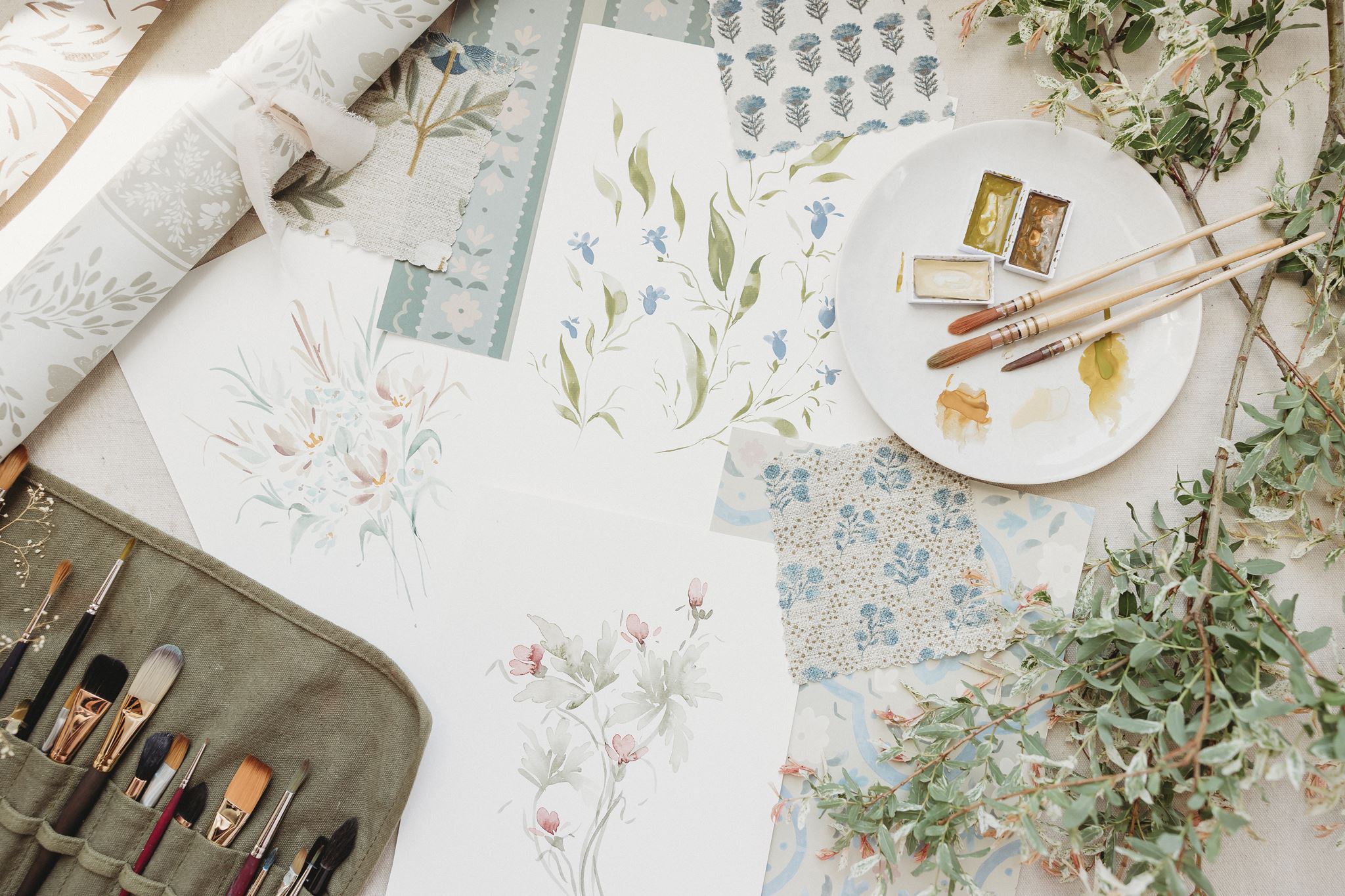
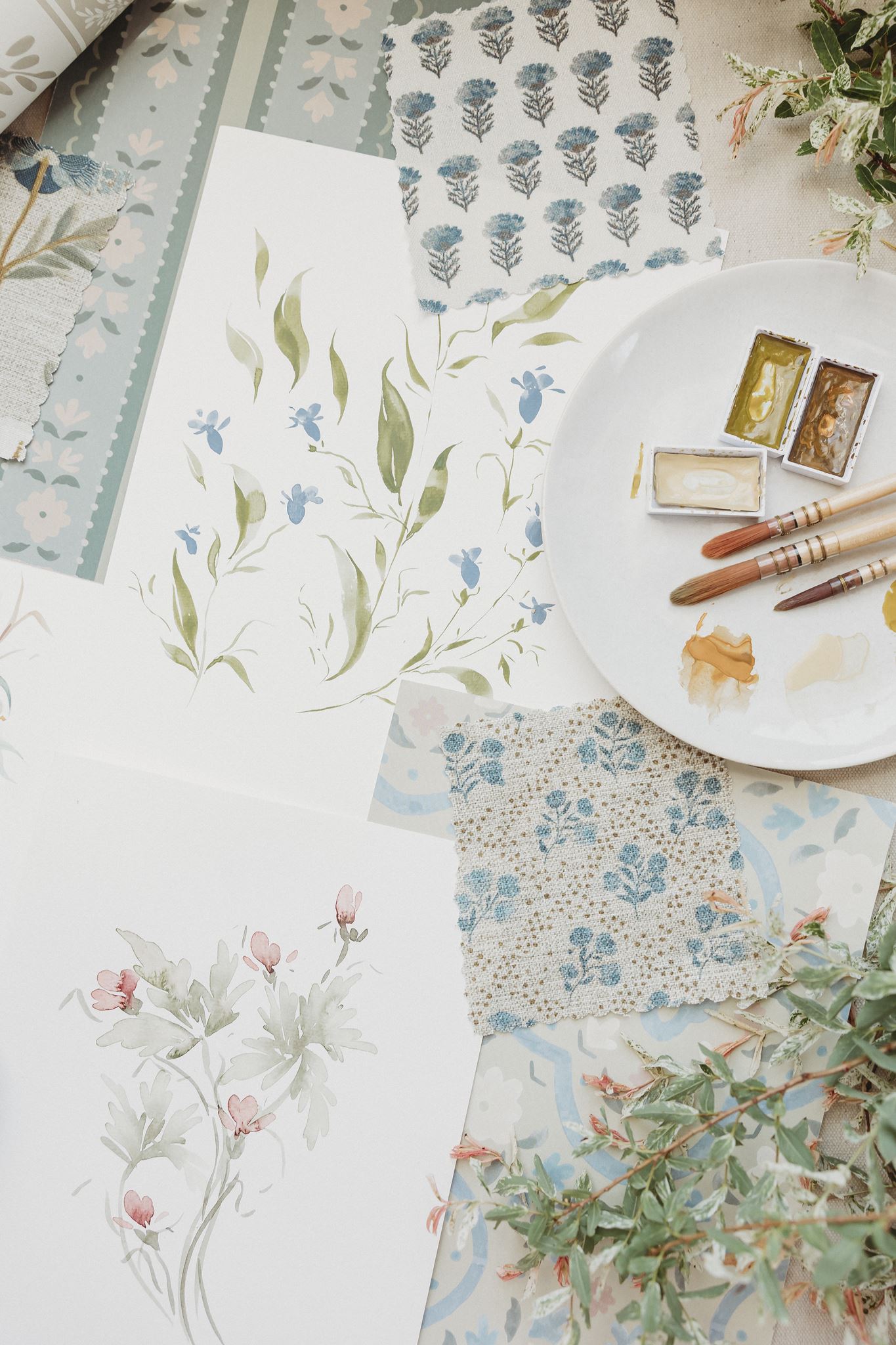
A licensing artist imagines where their artwork will land before they even start creating. Before you sketch your next surface pattern design, picture it repeated across a nursery wall, on a notebook cover, or both. What would land well there? Color, scale, medium, style. When you design with the product in mind, your artwork is already speaking a brand’s language.
Think in collections, not one offs
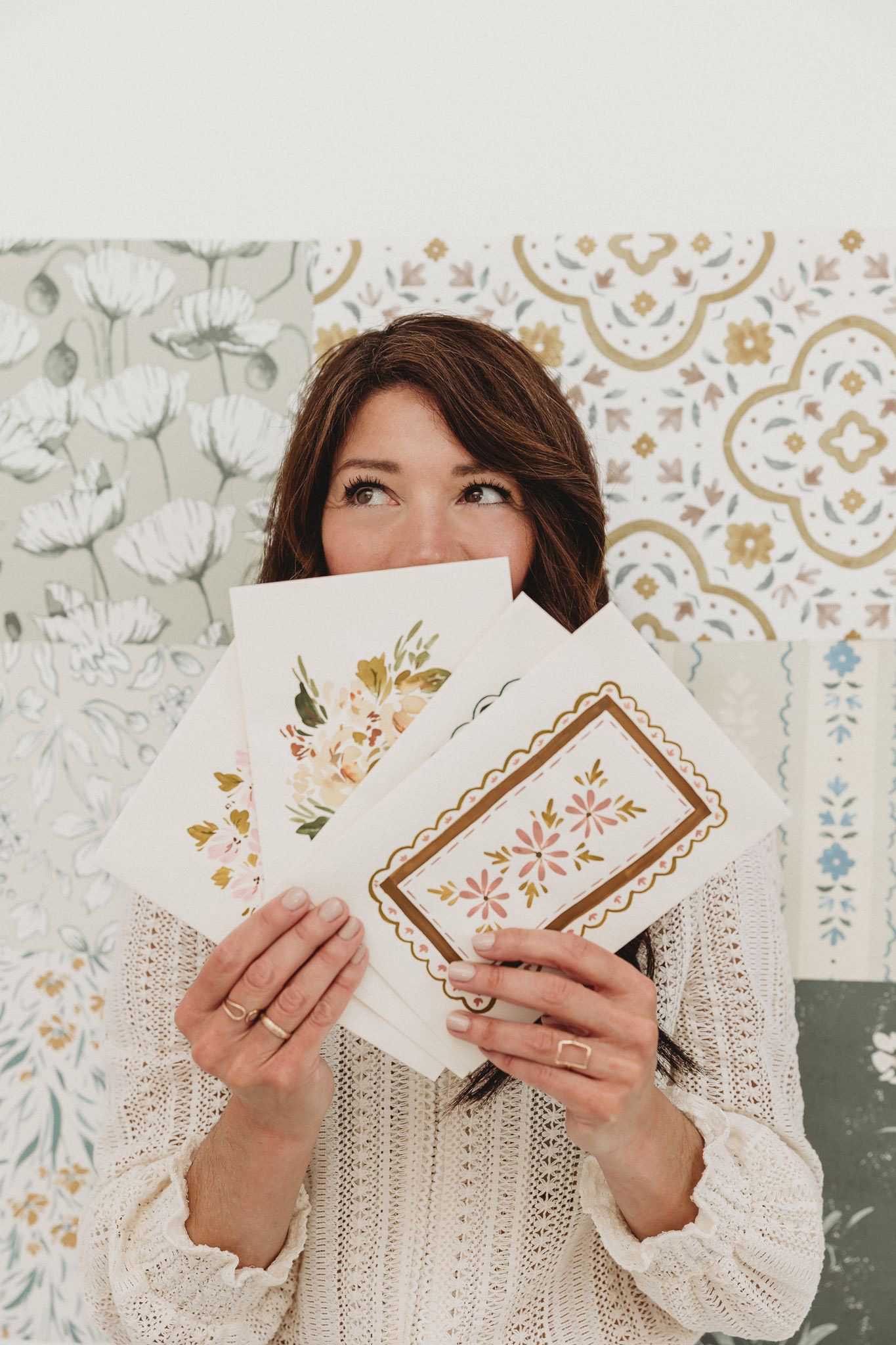
Brands rarely want a single design. They want a story. Instead of one strawberry pattern, add a strawberry placement design (think art print or throw pillow), a gingham, and a few coordinates. Now a brand can see an entire product line come to life, and a full collection gives them so much more to say yes to.
Make it easy for brands to say yes
Learn a brand’s mission, their customer, and the characteristics of what they sell, like color, style, and industry. Then create artwork and mockups that fit all of it, so you’re answering their questions without a single word exchanged.
If you do pitch, keep your email short and specific. Speak directly to the brand and their products, show why your artwork belongs in their line and will resonate with their customer, and include a few inline mockups that look like their products.
Know your licensing terms before anyone asks
Decide what you’ll say yes to, what needs a conversation, and what’s a no. For me, buyouts are a no. Write your own list this week so you’re calm and clear when an offer lands. A great resource is the Graphic Artists Guild Handbook, Chapter 10.
Stay visible on purpose
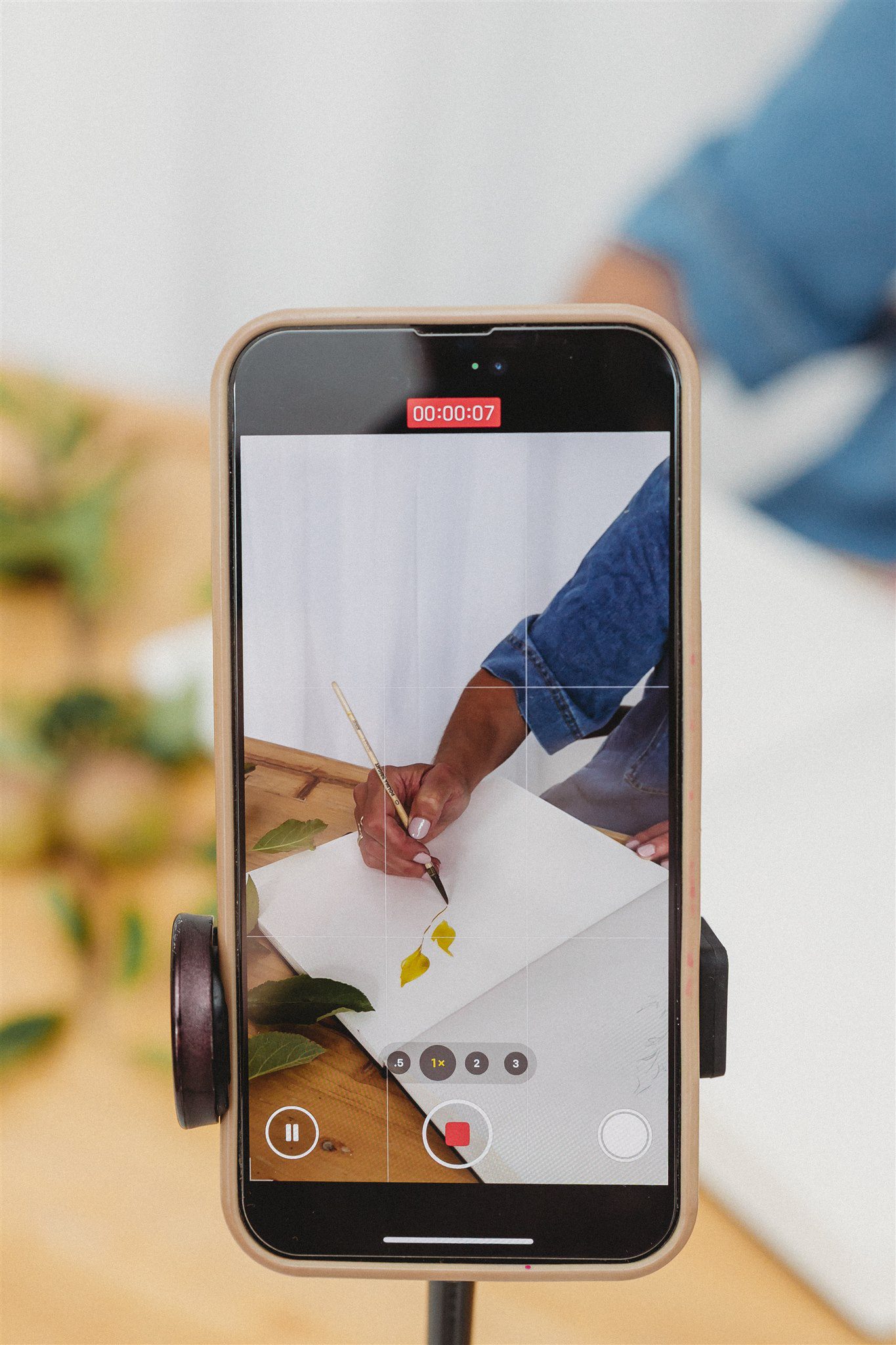
Brands find artists who show up. It doesn’t have to be loud, it just has to be consistent. Share your process, plus one pattern a week on a product mockup, so a brand can picture it in their line. That’s how you stay top of mind when brands come looking for artwork.
Your challenge this week
Take one painting you already have and mock it up on a product like wallpaper, fabric, or stationery, then share it. It’s one of the simplest ways to show brands your surface pattern design is ready for art licensing.
Use thoughtful SEO in your caption to attract opportunity. Write the words a brand would actually type when searching for artwork and name the product, style, and subject. For example: “Watercolor strawberry pattern designed for nursery wallpaper and children’s apparel, available for licensing.” Add those same keywords to your alt text so your work has a real chance of being found.
If you want a place to start, my License Without Pitching Guide walks you through these tips
Here’s to a September that is a little messy, a lot beautiful and oh so good.
Blog Posts like this:
Signs You’re Ready for Bigger Opportunities (Even When You Don’t Feel Ready)
share on