How Surface Pattern Designers Make Money And You Can Too
A clear overview of the different ways surface pattern designers make money, and how to start thinking about which streams make sense for your work and your season of life.
How Surface Pattern Designers Make Money And You Can Too
If you are running a creative business in the margins of a full life, racing from school pickups to sports practices to work deadlines and squeezing your art into whatever quiet corners you can find, you are not behind. You are just in the middle of building something beautiful.
Maybe you have an Etsy shop you set up with high hopes. Perhaps you are posting on Instagram and watching the views but not the sales. Maybe you are doing all the things people say to do and still wondering when the income part actually kicks in.
I want to help you see the bigger picture.
This post is the foundation: a clear overview of the different ways surface pattern designers make money, and how to start thinking about which streams make sense for your work and your season of life.
The Income Landscape for Surface Pattern Designers
There is no single path. That is both the challenge and the freedom of this work. Here are the main income categories and what each one actually means in practice.
1. Print on Demand (POD)
This is often where designers start, and for good reason. Platforms like Spoonflower, Society6, and Redbubble let you upload your artwork and they handle production, fulfillment, and shipping. You earn a percentage of each sale.
The upside is low barrier to entry. The downside is that royalty rates are modest and building consistent sales takes real time and a catalog that grows over months and years.
Think of POD as your art working while you sleep. It is not a get-rich-quick stream, but a steady one that can build quietly alongside everything else.
Practical tip: Treat your POD shop like a portfolio in public. Upload cohesively, use strong titles and keywords, and add to it consistently rather than in bursts.
2. Art Licensing
This is the stream that changes things. Licensing means a brand pays you to use your artwork on their products, either through a flat fee or ongoing royalties. Your art goes on fabric, wallpaper, stationery, home goods, phone cases, bedding, and more.
Here is something that experienced designers say again and again, and it is worth sitting with: building a licensing income that feels predictable and diversified takes time. Not weeks. Usually years. The foundation comes before the income does. The portfolio, the relationships, the confidence in your own aesthetic, all of that builds quietly and the earning follows.
What gets in the way for most designers is trying to activate every stream at once. Spreading your energy across six things keeps all of them small. The designers who build real momentum tend to pick two or three streams, go deep, and let the others come later.
Practical tip: Licensing does not require an agent to get started. A focused portfolio, a clear aesthetic, and a thoughtful pitch to brands whose products align with your work is where it begins.
Want to go deeper? Read: How to Pitch Your Artwork to Brands
3. Digital Downloads and Passive Products
Selling your artwork as digital files is a scalable option that requires upfront work and earns over time. This includes seamless repeat tiles, clip art bundles, pattern collections for other creatives, and commercial-use illustrations.
Platforms like Etsy and Creative Market are common homes for these products. Once the listing is live, it can generate sales without ongoing effort on your part.
Practical tip: Your Etsy shop can serve double duty: products for buyers AND a visible portfolio for licensing prospects. Brands sometimes discover designers this way. Make your shop look like you mean it.
4. Freelance and Custom Commission Work
This is trading time for money directly. A brand, small business, or individual hires you to create artwork specifically for them. The pay is direct and often more immediate than licensing or POD.
Custom work can be a solid income stream, especially early on. The key is pricing it well. When a brand buys your artwork outright, you lose all future licensing potential on that piece. Factor in your lost future income when you set your number, not just the hours it takes to create.
Practical tip: Before pricing any custom commission, ask: What is the usage? Is it in-store, online, or both? One product or multiple? Is this a copyright transfer or exclusive license? The answers change your number significantly. The Graphic Artists Guild Handbook is the industry standard reference for pricing.
5. Teaching and Education
If you have built skills and experience, sharing what you know is a legitimate income stream. Online courses, workshops, membership communities, and mentorship programs are all part of this category.
There is a real compounding effect when you teach what you do. Teaching helps you articulate your own process more clearly and builds an audience that supports your broader work over time.
Practical tip: You do not need to have everything figured out to begin teaching. Teaching one step ahead of where your students are is enough. Document your process now, even informally.
6. Open Art Calls and Brand Collaborations
Art calls are an underused entry point for many designers. Brands, manufacturers, and organizations release open calls inviting artists to submit work for specific product lines. Getting selected can lead to licensing deals, exposure, and ongoing relationships.
These calls are worth watching. They are a low-risk way to get your work in front of decision-makers at companies you want to work with, and they give you a real deadline to create toward.
The One Thing I Want You to Take From This
You do not need every stream active right now. What you need is clarity on where to put your energy this season.
What you water grows. Spreading yourself across ten things keeps all of them small. Choosing two or three and going deep is how real income builds.
This blog is spending all of June on income diversification: what works, what takes time, how to price, how to pitch, and how to build a business that supports your creative life instead of consuming it.
You are in the right place.
Ready to Go Deeper?
If you are a surface pattern designer who wants to build a licensing-focused creative business, The Creative Mentorship was built for exactly that. We work through Design Foundations, Marketing, Mindset, and Licensing Transformation together, in a community of artists who are doing the same work you are.
Learn more about The Creative Mentorship →
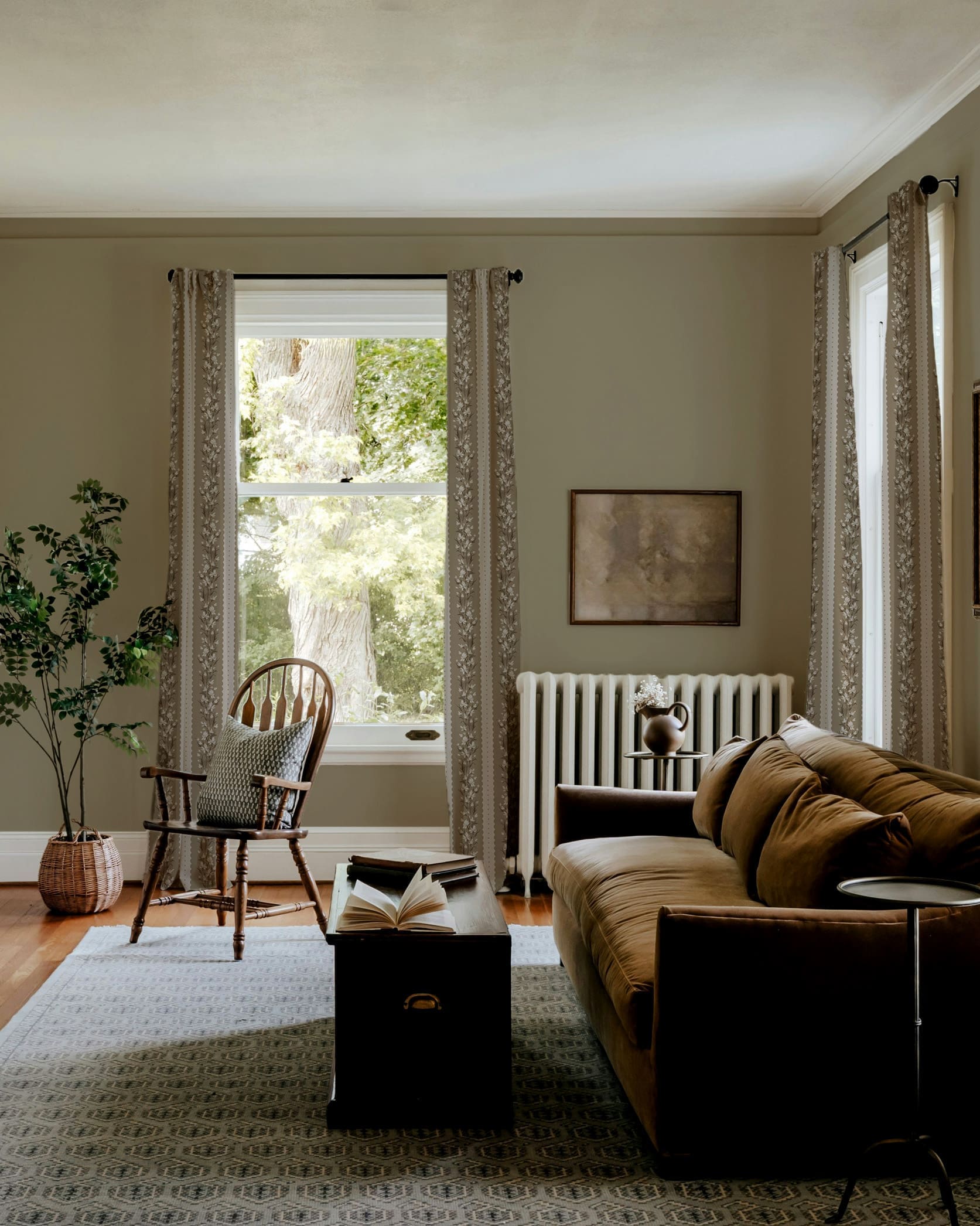
And if you want the free June curtain mockup mentioned in this week’s Studio Notes, join the email list below. It is yours when you do.
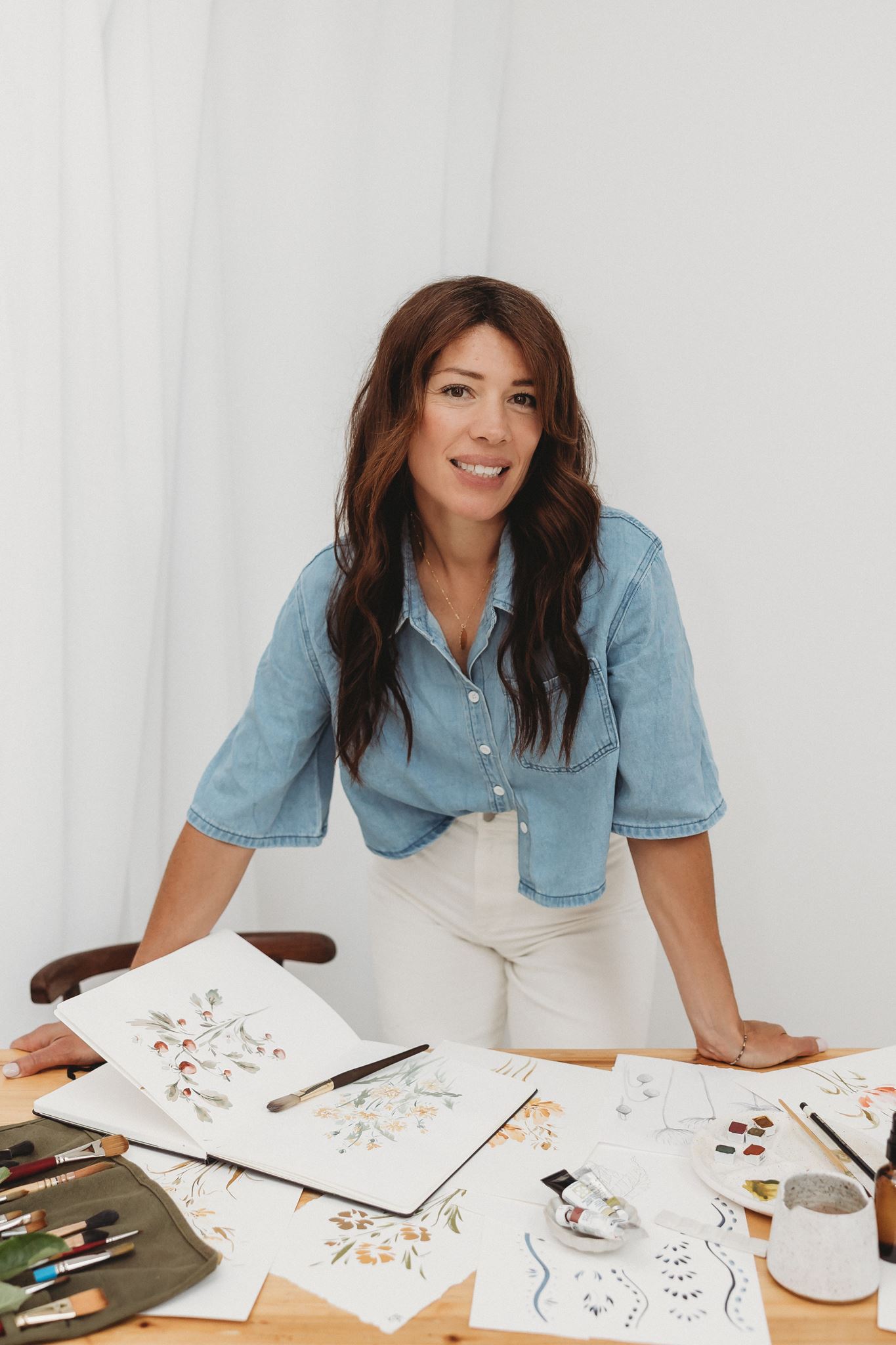
Melissa Johnson is a watercolor artist, surface pattern designer, and creative educator based in Illinois. She has licensed her work with brands including Minted, Geometry House, Casely, Loomwell, Golden Coil, and others. She teaches artists how to move from creative practice to licensing income inside The Creative Mentorship.
share on